Source Modular Cooling Fabric Sofa for Offices, Lounges, and Hotels
Source Modular Cooling Fabric Sofa options from 30 verified listings. Compare features like plush and mesh materials, armrest styles, and dimensions to find the right fit for your commercial or residential project needs.
Key considerations
Products List


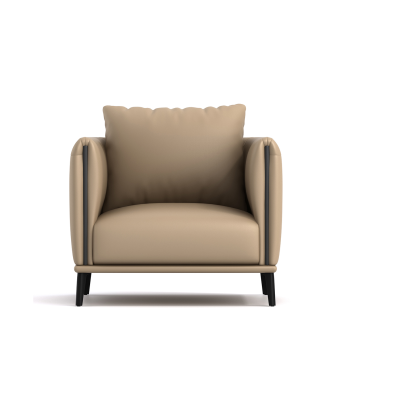


Hot Sale Modern Style Fabric Couch Classic Contemporary L Shape Modular Sofa
$930.00 - $960.00
MOQ: 2 Pieces


Modern Fashion Leisure Office Building Fabric Leisure Modular Sofa for Lobby
$380.00 - $799.00
MOQ: 2 Pieces


Comprehensive Sourcing Guide
Modular Cooling Fabric Sofa Sourcing Guide
Sourcing modular seating with integrated cooling or breathable fabric technologies requires a disciplined approach to balancing comfort, durability, and technical performance. Buyers must navigate a market where "cooling" can refer to various material properties, from moisture-wicking mesh weaves to phase-change fabric treatments. The following guide outlines the essential verification steps for procurement professionals evaluating modular sofa systems, ensuring that aesthetic preferences align with functional requirements and supply chain reliability.
This guide focuses on evidence-based evaluation criteria derived from observed market listings and standard industry practices. It emphasizes the importance of verifying specific material compositions, structural dimensions, and compliance documentation before committing to bulk orders. By adhering to these structured verification steps, buyers can mitigate risks associated with product inconsistency, hidden costs, and non-compliance with regional safety standards.
Product Scope and Observed Listing Signals
The current market for modular seating exhibits significant variation in design language, material selection, and structural configuration. Observed listings indicate a price range spanning from approximately $88 to $1,599 USD, reflecting differences in fabric quality, frame construction, and modular complexity. Minimum Order Quantities (MOQs) typically range from 1 to 100 units, allowing for both sample procurement and large-scale commercial outfitting. Buyers should note that customization is widely available, enabling adjustments to color, fabric type, and modular configuration to suit specific interior design schemes.
Material observations reveal a diverse array of upholstery options, including plush fabrics, mesh weaves, corduroy, and specialized anti-claw materials. These materials are often paired with varying back heights, such as medium or high-back designs, and armrest configurations that may include or exclude armrests entirely. Color palettes observed in listings range from neutral tones like beige and white to vibrant options such as yellow and olive green. These variations suggest that buyers must clearly define their aesthetic and functional requirements early in the sourcing process to avoid misalignment with supplier capabilities.
Technical Specifications to Verify
Dimensional accuracy is critical for modular systems, as inconsistent sizing can prevent seamless assembly in multi-unit configurations. Product dimensions observed in listings vary significantly, with some units measuring approximately 104.3 x 68.9 x 31.1 inches, while others are more compact at 66 x 49 x 28 inches. Buyers must verify the exact external dimensions, including seat depth and back height, to ensure compatibility with the intended space. Additionally, packing dimensions and volume metrics, such as 0.26 cubic meters or 0.15 cubic meters per unit, are essential for calculating freight costs and warehouse storage requirements.
Weight specifications provide insight into the structural integrity and material density of the sofa. Gross weights observed range from 18.3 kg to 82.6 kg, while net weights vary correspondingly, indicating differences in frame material and cushioning density. For instance, some models list a gross weight of 51 pounds with a net weight of 53.9 pounds, while others show a gross weight of 77.3 pounds and a net weight of 83.6 pounds. Buyers should request detailed weight breakdowns to assess the quality of the internal frame and cushioning materials, as heavier units often indicate more durable construction.
Compliance and Safety Documentation
Fire retardancy is a mandatory compliance requirement for furniture sold in many jurisdictions, particularly for commercial and hospitality applications. Listings indicate adherence to specific fire retardant standards, with some products certified for both inflatable and non-inflatable categories. Buyers must verify the exact standard applicable to their target market, such as California Technical Bulletin 117 or European EN 1021, and request valid test reports from accredited laboratories. Compliance documentation should be obtained before placing orders to ensure that the products meet local regulatory requirements.
Additional safety and quality certifications may include formaldehyde emission limits, heavy metal content restrictions, and flammability tests for upholstery fabrics. Buyers should inquire about the origin of raw materials and request Material Safety Data Sheets (MSDS) for any chemical treatments applied to the fabric, such as anti-claw or moisture-wicking finishes. Verifying these documents ensures that the products are safe for end-users and compliant with environmental regulations, reducing the risk of legal liabilities and product recalls.
Cost Drivers and Commercial Terms
The final landed cost of modular sofas is influenced by several factors, including material selection, customization complexity, and logistics. Fabric type is a primary cost driver, with specialized materials like mesh or anti-claw fabrics typically commanding higher prices than standard plush or corduroy options. Customization services, such as bespoke color matching or unique modular configurations, may incur additional fees and extend lead times. Buyers should request detailed quotations that break down costs for materials, labor, customization, and packaging to identify potential savings opportunities.
Shipping and packaging efficiency play a crucial role in overall procurement costs. Observed packing methods include cardboard boxes, with dimensions varying based on product size and modular design. Buyers should evaluate the volumetric weight of shipments to optimize freight costs, as inefficient packing can significantly increase transportation expenses. Negotiating favorable Incoterms, such as FOB or CIF, and consolidating orders to achieve better freight rates can help mitigate these costs. Additionally, understanding payment terms and currency exchange risks is essential for maintaining budget stability.
Supplier Qualification and Quality Control
Supplier location and manufacturing capability are key indicators of product reliability and consistency. Many observed listings indicate origins in Foshan, China, a major hub for furniture manufacturing known for its supply chain efficiency and production scale. Buyers should conduct thorough due diligence on suppliers, including verifying business licenses, factory audits, and production capacity. Assessing the supplier’s ability to handle customization requests and maintain consistent quality across large orders is critical for long-term procurement success.
Quality control processes should be established to ensure that delivered products meet specified standards. Buyers should implement pre-shipment inspections to verify dimensions, material quality, stitching integrity, and overall finish. Requesting sample units before bulk production allows for physical evaluation of comfort, durability, and aesthetic appeal. Establishing clear quality acceptance criteria and communication channels with the supplier helps resolve issues promptly and ensures that the final products align with procurement expectations.
Long-Term Procurement Checks
Sustainability and lifecycle management are increasingly important considerations for modern procurement strategies. Buyers should inquire about the recyclability of materials, the use of eco-friendly dyes, and the durability of fabrics to ensure long-term value. Products with anti-claw fabrics or high-density cushioning may offer extended lifespans, reducing replacement frequency and total cost of ownership. Evaluating the supplier’s commitment to sustainable practices can enhance brand reputation and align with corporate social responsibility goals.
After-sales support and warranty terms are essential for mitigating risks associated with product defects or wear. Buyers should negotiate comprehensive warranty coverage for frames, cushions, and fabrics, and clarify the process for claiming replacements or repairs. Establishing a reliable supply chain for spare parts, such as replacement legs or fabric panels, ensures that products can be maintained over time. Regularly reviewing supplier performance and product feedback from end-users helps identify areas for improvement and strengthens the procurement partnership.
FAQs
What customization options are available for these sofas?
Customization is available for these sofas to meet specific buyer requirements. The products come in various styles, colors, and fabric types including plush, mesh, and corduroy to suit different interior designs.
Which fabric types are used for the Modular Cooling Fabric Sofa?
The sofas utilize multiple fabric types such as plush, mesh, corduroy, and anti-claw fabric. These materials are selected to provide comfort and durability while maintaining a modern aesthetic for various settings.
How are the products packed for shipping from Foshan?
The products are packed in cardboard boxes for safe transport. This packaging method ensures the sofas remain protected during transit from the origin in Foshan, China, to the final destination.
Can I find sofas with high back height and armrests?
Yes, options include high back height sofas with armrests as well as medium back height models. Some variations are available without armrests, offering flexibility in design and functionality for different room layouts.
What are the standard dimensions for the YF618 model?
The YF618 model has product dimensions of 104.3 by 68.9 by 31.1 inches. Its standard size is listed as 265 by 170 by 79 centimeters, providing ample space for seating.
Which fire retardant standards apply to these sofas?
The sofas comply with ISO fire retardant standards for both inflatable and non-inflatable types. This ensures safety compliance while maintaining the structural integrity and material quality of the furniture.
What is the minimum order quantity for these products?
The minimum order quantity ranges from 1 to 100 units depending on the specific product configuration. Buyers can select quantities that fit their inventory needs while accessing the full range of available models.